
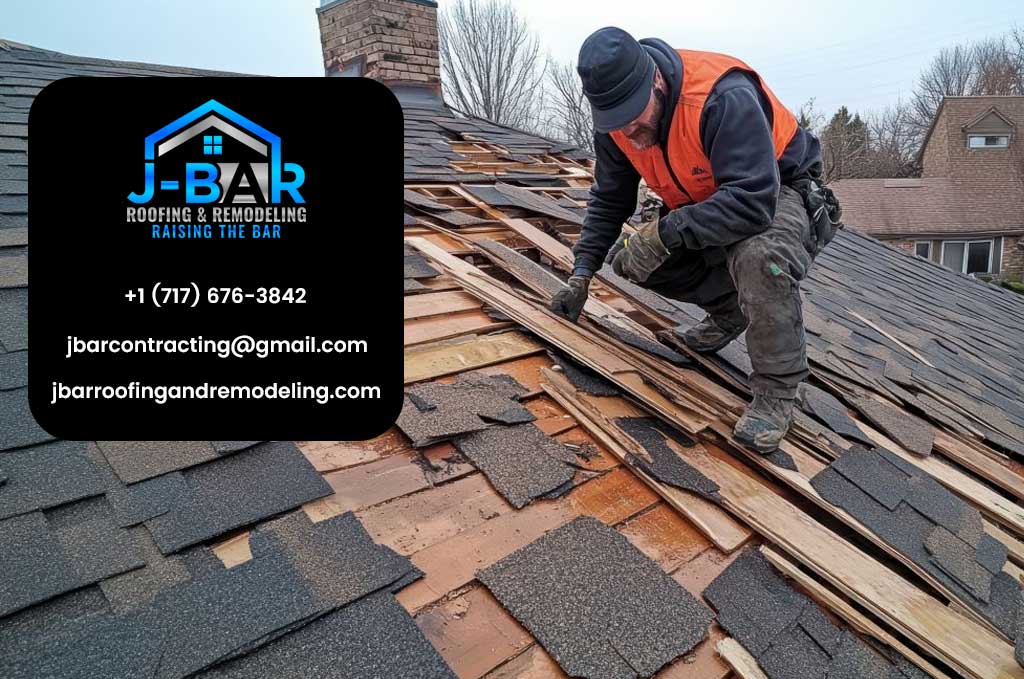
Roof repair hanover pa often becomes urgent after a storm leaves behind leaks, missing shingles, ceiling stains, or roof debris. The first steps matter because quick action can help protect your home, reduce water damage, and make the repair process easier to manage.
If your roof has storm damage, start with safety, then check for signs inside and outside the home, document what you see, and call a roofing professional for a roof inspection. That simple process can help you move from panic to a clear plan.
Why Storm Damage Needs Quick Attention
The impact of the storm should never be overlooked. Winds, hail, heavy rains, and downed tree branches may have an effect on your roof’s structural integrity, even though it isn’t immediately apparent.
Something small can quickly become something large. A raised shingle, a faulty flashing system, or even just a slight roof leak can allow water entry and lead to future repairs.
Roof repair hanover pa: First Steps After a Storm
First of all, if you are in need of roof repairs Hanover PA, the most important thing to do is to stay cool and be organized. Don’t get on the roof or believe that everything will be fine because you cannot see anything.
Start with checking the situation, looking for dangers, and water inside your house. Take some photos and contact your roofer.
Step 1: Stay Safe Before Checking the Roof
Safety is the most important thing when you go out after the storm passes. Climbing onto a wet and/or slanted roof is dangerous.
Also, there might be other dangers around your house. There are many different types of danger that could be hiding anywhere near you.
Step 2: Check for Signs of Roof Damage Indoors
Sometimes the first sign of damage is inside the house. A roof leak may show up before you ever see the roof problem from outside.
Look for signs like:
- Ceiling stains.
- Dripping water.
- Musty smells.
- Attic moisture.
- Peeling paint.
- Damp insulation.
If you see any of these, the roof may need a closer look soon.
Step 3: Look for Exterior Damage From the Ground
You can safely check the outside of the home from the ground. This does not mean you should climb up. It means looking for obvious signs while staying safe.
Watch for:
- Missing shingles.
- Lifted shingles.
- Gutter damage.
- Damaged flashing.
- Fallen branches.
- Roof debris.
- Dented vents.
Even small signs can point to bigger damage above.
Step 4: Document the Storm Damage
Pictures and notes will help keep you organized. Make sure to take pictures of all damage that you see, both interior and exterior.
Note down the date of the storm along with the details that you have seen. You should also keep all repair estimates on record.
Step 5: Call for a Professional Roof Inspection
Roofing experts can examine places which are not easily accessible to the homeowners. It could be shingles, flashing, valleys, vents, gutters, roof deck, and attic sections.
The correct roof examination would be able to explain the actual state of the roof and help make further decisions concerning repairs.
What Roofers May Check
During storm damage repair, roofers often look at the full roof system. They are checking more than just the surface shingles.
Common inspection points include:
- Shingles.
- Flashing.
- Roof valleys.
- Vents.
- Gutters.
- Roof decking.
- Attic signs.
That helps them understand whether the damage is minor or more serious.
Common Local Roof Problems
Storm damage hanover pa can show up in many ways after wind, hail, or heavy rain. Hanover homeowners may notice problems that start small but grow over time.
Common issues include wind-lifted shingles, hail marks, leaks, gutter damage, and flashing issues. A roof can look mostly fine from below and still have hidden damage.
Roof repair hanover: When Damage Is Urgent
Some roof problems should be handled quickly. If you need roof repair Hanover, look for signs that water may already be entering the home.
Urgent warning signs include:
- Active leaks.
- Sagging ceilings.
- Water near electrical areas.
- Large missing shingle sections.
- Tree or branch impact.
These issues should be checked as soon as possible.
Storm Damage Roof Repair Table
Below is the table that shows problems that could occur once a storm hits and what it means and in such cases what homeowners should do to avoid further damage.
| Problem | What It May Mean | What Homeowners Should Do |
| Missing shingles | Wind may have torn off roof protection | Call for a roof inspection soon |
| Ceiling stain | Water may already be getting inside | Document it and check the attic |
| Active leak | The roof may have an opening | Use safe temporary protection and call a roofer |
| Dented gutters | Hail or debris may have hit the roof edge | Take photos and ask for an inspection |
| Damaged flashing | Water may enter around seams or edges | Have the flashing checked quickly |
| Attic moisture | A roof leak may be forming above | Look for the source and report it |
| Fallen branch | The roof may have impact damage | Keep clear of the area and call a pro |
| Loose shingles | Wind may have lifted the roof edge | Schedule a roof review soon |
| Water spots on walls | Water may be moving through the roof system | Save photos and track the damage |
| Roof debris | The storm may have damaged shingles or accessories | Remove only what is safe and call for help |
What Not to Do After Storm Roof Damage
After a storm, it is very easy to make mistakes. Certain activities may actually exacerbate the situation or pose danger.
Do not attempt to go up onto the roof. Do not neglect even the smallest of stains. If the damage seems legitimate, do not procrastinate on the inspection. Do not cover water stains with paint.
Temporary Protection Before Repairs
If there is any influx of water, consider taking some basic actions that will help you to limit the damage done inside your house. You should shift your valuables from the leaking area if possible.
Make use of buckets for dripping water and take pictures immediately. In case more protection is required for your roof, a roofing contractor may advise you on using a roof tarp or something similar.
How Storm Damage Can Lead to Roof Leaks
A storm damage may not necessarily lead to leaking immediately. This is because a displaced or damaged shingle, a broken roof seal, damaged flashing or a tiny hole in the roof can allow water to seep into your house after some time.
The water takes some time moving through the roof until it reaches the interior parts of your building.
Repair or Replacement: How Roofers Decide
A professional roofer generally considers many factors before recommending repair or replacement. The age of the roof is an important factor, but also the size of the damage and condition of the shingles.
Other factors to be considered include previous history of leaks and results from an inspection. A smaller area of damage may require only repairs, whereas an older or larger roof may require additional attention.
How Hanover Roofing Support Helps Homeowners
Local Hanover roofing support can make storm recovery easier. A local roofing team understands the weather patterns, common roof issues, and the type of damage that often shows up after storms in the area.
That kind of support can help homeowners inspect damage, understand repair options, and protect the home before the problem spreads.
How to Prevent Bigger Roof Problems After a Storm
A few simple habits can help reduce roof trouble in the future. Regular inspections and quick action make a big difference.
Helpful prevention steps include:
- Schedule routine roof inspections.
- Clean gutters safely.
- Check for leaks after heavy storms.
- Keep storm damage documentation.
- Fix small problems early.
These steps can help you avoid larger repair costs later.
Conclusion
After experiencing storm damage, the first thing that needs to be done is very basic and yet very significant: ensure that everyone’s safety is not at risk, observe any possible damage from both interior and exterior aspects of the house, record the findings, and seek professional help. This is the only way to go about repairing your roof in hanover pa.
The initial step in dealing with storm damage repairs is normally doing a roof inspection. If you notice any roof leakage, missing shingles, damaged flashing, and wet attic, don’t procrastinate on the matter.
FAQs
What should I do first after storm roof damage?
Stay safe and check for signs of leaks inside the home. Then document the damage and call a roofer.
When should I call for roof repair in Hanover PA?
Call as soon as you see missing shingles, stains, or leaks. Quick action can help prevent more damage.
Is it safe to climb on my roof after a storm?
No, that can be dangerous after rain, wind, or falling debris. Always check from the ground and call a pro.
What are signs of storm damage on a roof?
Look for missing shingles, lifted shingles, dented gutters, and flashing issues. Inside, watch for stains, smells, or attic moisture.
Can storm damage cause roof leaks later?
Yes, a small weak spot can let water in over time. Leaks may show up after the next heavy rain.
What does storm damage repair include?
It may include checking shingles, flashing, gutters, and roof decking. The roofer will decide what needs to be fixed.
Should I take photos of roof damage?
Yes, photos help you keep track of what happened. They also support insurance documentation and repair planning.
How fast should roof damage be inspected?
It should be inspected as soon as it is safe to do so. Waiting can allow water damage to spread.
Can small storm damage get worse?
Yes, a small issue can turn into a bigger leak later. That is why early inspection matters.
How do I find Hanover roofing help after a storm?
Look for a local roofer with storm damage experience. Choose someone who explains the damage clearly and simply.